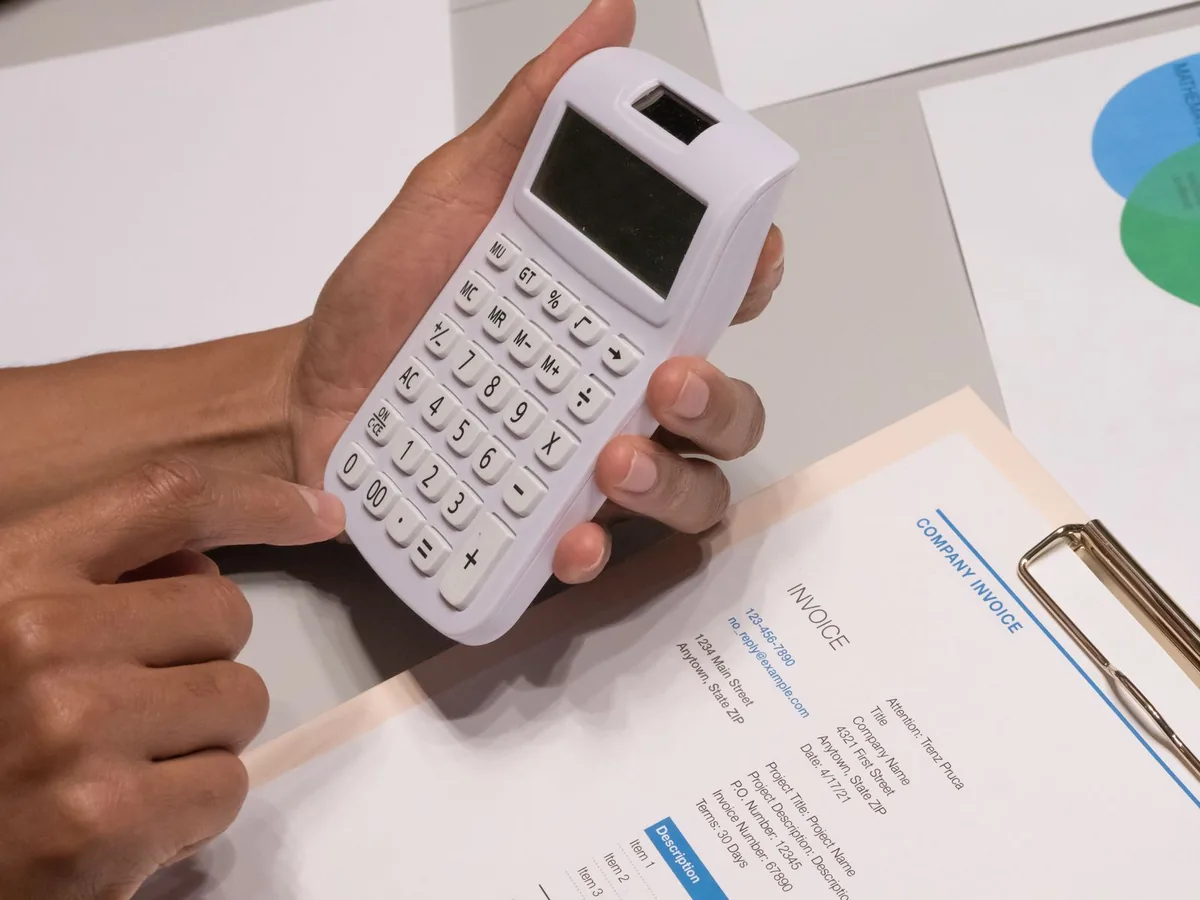
CPQ stands for Configure, Price, Quote. It is software that walks a salesperson from "here is what the customer wants" to "here is an accurate, approved quote" without the guesswork, the outdated spreadsheet, or the three-day wait for someone to check the numbers. If your team has ever sent a quote with the wrong price, or lost a deal because the quote took too long, CPQ is the category of tool built to fix exactly that.
But the honest version of this article matters more than the textbook one, because most content about CPQ is written for large enterprises with hundred-page product catalogues. So here is the short version before the detail, including the part most guides skip: whether you actually need it.
| Question | Quick answer |
|---|---|
| What does CPQ stand for? | Configure, Price, Quote |
| What does it do? | Turns product selections into an accurate, approved quote automatically |
| What problem does it solve? | Slow quotes, pricing errors, random discounts, approval bottlenecks |
| Who genuinely needs it? | Teams with complex products, variable pricing, or high quote volume |
| Do most small businesses need it? | Rarely the enterprise kind, a lighter quoting setup usually wins |
What CPQ actually means, one word at a time
The name is the whole explanation, so it is worth taking it literally. Each word is a step that today probably happens manually, in a different place, by a different person.
- Configure. The customer wants a specific setup: this plan with these add-ons, this machine with these options, this service scope for this many users. Configuring is choosing the valid combination, and making sure it is valid, so nobody quotes an add-on that does not work with the base product.
- Price. Every configuration has a price, and real pricing is rarely one number. There are volume tiers, customer-specific rates, bundles, and discounts that are only allowed up to a point. Pricing is applying the right numbers and the right rules automatically, instead of trusting memory or a spreadsheet from last quarter.
- Quote. The output is a clean, branded, itemised quote the customer can actually say yes to, generated in seconds rather than rebuilt by hand every time.
The problem CPQ is really solving
Nobody buys software for the acronym. They buy it because quoting has quietly become a mess, usually in four familiar ways:
- Quotes are slow. The salesperson has to check pricing, wait for a manager to confirm a discount, and rebuild the document by hand. Days pass, and a fast competitor gets the yes.
- Quotes have errors. An old price, a wrong quantity, an add-on that is not actually compatible. Some errors cost the deal; the worse ones win the deal at a price that loses money.
- Discounting is a free-for-all. Everyone gives away margin a little differently because there is no rule enforcing what is allowed without sign-off.
- Approvals stall. A quote that needs a manager or finance to approve sits in an inbox, and the deal cools while it waits.
CPQ attacks all four at once: it makes quotes fast because they generate themselves, correct because the rules are built in, consistent because discounts have guardrails, and unblocked because approvals can be routed automatically. That last piece overlaps heavily with sales proposal automation, sales document automation, and with fixing the whole quote-to-cash process, which is why these tools tend to show up together.
Signs you might need CPQ, and signs you do not
This is the question the marketing pages avoid, because the honest answer sometimes means a smaller sale. CPQ earns its keep when complexity is real. It is overkill when it is not.
| You may genuinely need it when… | You probably do not when… |
|---|---|
| Your products have many options or combinations | You sell a handful of clear packages |
| Pricing varies by tier, volume, or customer | Your prices are fixed and public |
| Several people quote, and they do it differently | One or two people quote, consistently |
| You send a high volume of quotes | You send a few quotes a week |
| Discounts need approval and often stall | Discounts are rare or rule-of-thumb |
If you live mostly in the right-hand column, hold off on a dedicated CPQ platform. The enterprise tools are powerful and priced for teams whose quoting complexity justifies them; dropping one onto a five-person business usually buys cost and setup pain you will not use. If you live in the left-hand column, or you are heading there as you grow, the pain is real and worth solving.
CPQ software vs a template vs a full custom setup
"Do I need CPQ?" is really "what level of quoting help do I need?" There are three tiers, and most businesses are further down this list than the software ads suggest.
- A better quote template. A single, well-built, reusable quote document with correct pricing baked in. Unglamorous, but it fixes inconsistency and speed for a lot of small teams overnight.
- Your CRM's built-in quoting. Many CRMs already create quotes from a deal. If you have a CRM, you may already own quoting you are not using.
- Dedicated or custom CPQ. A purpose-built configure-price-quote layer, whether an off-the-shelf platform or a lightweight custom build wired into your own products and pricing, for when the rules are genuinely complex.
The jump people regret is skipping straight to the third tier when the first or second would have solved it. The jump people are glad they made is a custom setup shaped around their actual pricing rules, instead of bending their business to fit a platform.
What a good quoting setup looks like in practice
Whatever tier you land on, the outcome you are aiming for is the same, and you can describe it without a single acronym. A salesperson selects what the customer wants. The correct price appears automatically, with any discount kept inside allowed limits. Anything needing sign-off routes to the right person and comes back quickly. A clean, branded quote goes out the same day, and the numbers on it are trustworthy because they came from rules, not memory. When that quote is accepted, the details flow onward into the contract and the invoice instead of being retyped.
That is the real goal: not "we bought CPQ," but "quotes go out fast and correct, every time, and nothing falls apart after the customer says yes."
Frequently asked questions
What does CPQ stand for?
CPQ stands for Configure, Price, Quote. It describes software that guides a salesperson through configuring the right product or service, applying the correct price and any approved discounts, and generating an accurate quote, all in one connected flow instead of three disconnected manual steps.
Do small businesses really need CPQ software?
Most small businesses do not need enterprise CPQ software, which is built for large teams with highly complex catalogues. What they usually need is a better quoting process: consistent pricing, a reusable template, and light automation so quotes go out fast and correct. That can often be built on the tools you already run, at a fraction of the cost and complexity of a dedicated CPQ platform.
What is the difference between CPQ and a CRM?
A CRM stores your customers, deals, and pipeline. CPQ handles the specific job of turning a deal into an accurate priced quote. They are complementary: the CRM knows who the customer is and where the deal stands, and CPQ turns that opportunity into a correct, approved quote. Many CRMs include basic quoting, which is often enough before you ever need standalone CPQ.
Conclusion
CPQ, Configure, Price, Quote, is just a precise name for making quoting fast, accurate, and consistent. The concept is worth understanding whatever your size, because the underlying problem, slow and error-prone quotes, is nearly universal. The trap is assuming the answer must be an expensive enterprise platform. For many businesses the right move is a lighter, well-designed quoting setup that captures the same benefits without the weight.
At KWA Digital, we start from your actual pricing and quoting reality, not a product we are trying to sell. Sometimes that is a tidy template and a used CRM feature; sometimes it is a custom configure-price-quote layer wired into your products, and onward into your quote-to-cash flow. Either way it is demo-first, on your real numbers. Explore our services or get in touch and tell us what quoting looks like for you today.
Quotes going out slow or wrong?
Tell us how you quote today and we will show you a working setup, from a smarter template to a custom configure-price-quote layer, sized to your business, not an enterprise sales team. Clear scope, honest advice.
Request a free demo